Hooray, our padel special is starting! Dive into this trendy sport, which is currently experiencing explosive growth across Germany. Together with our padel expert Yannik Mann , we'll present the most important information about padel in three parts. From equipment and rules to technique and tactics, and even where you can play padel or find out more about court construction.
We're thrilled to have Yannik, one of the leading padel experts, on board for our special event. Yannik will introduce you to the world of padel, answer all your padel questions, and warns you now: it's highly addictive! So let's get started!
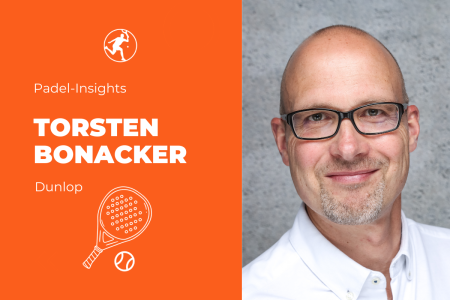
Before we get started with the basics, we'd like to introduce you to our padel expert, Yannik Mann. This way you'll know who's going to explain this new trend sport to you.
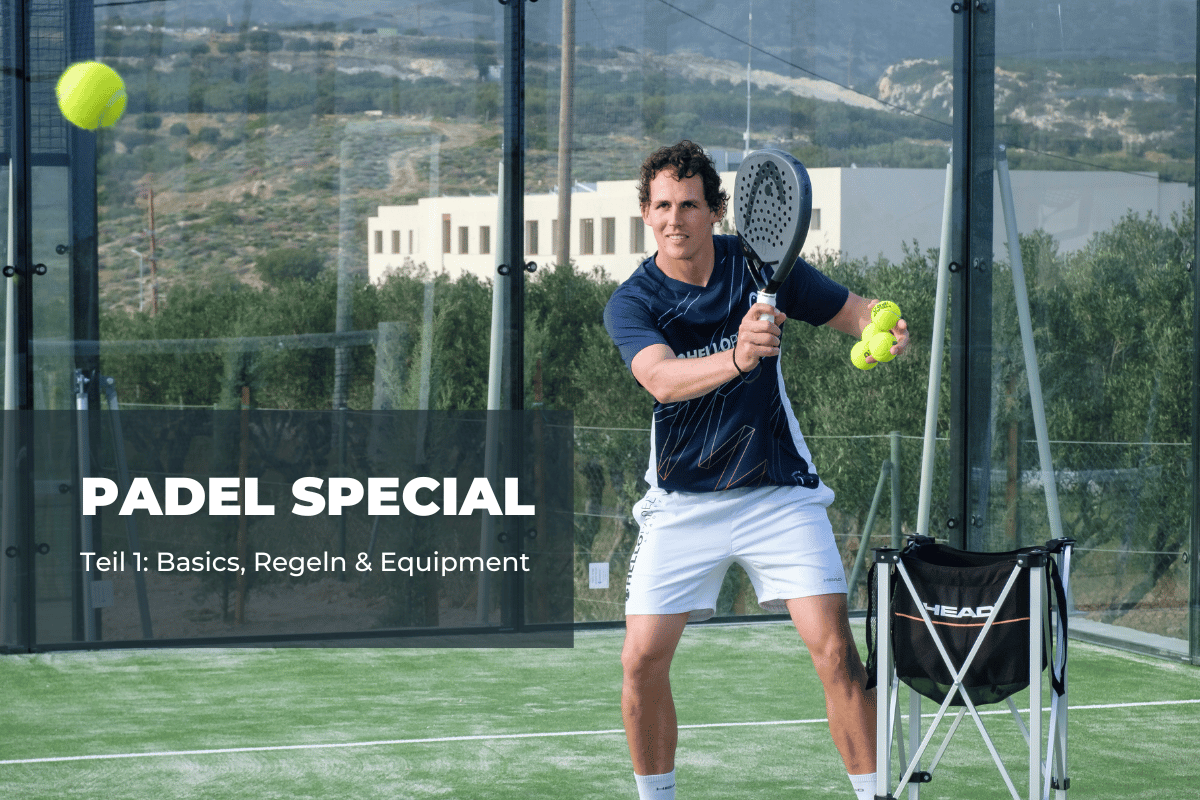
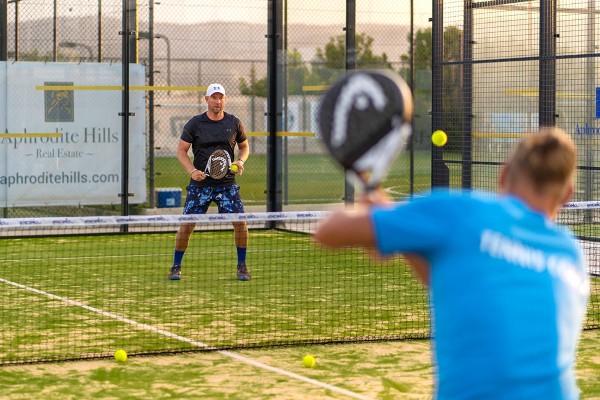
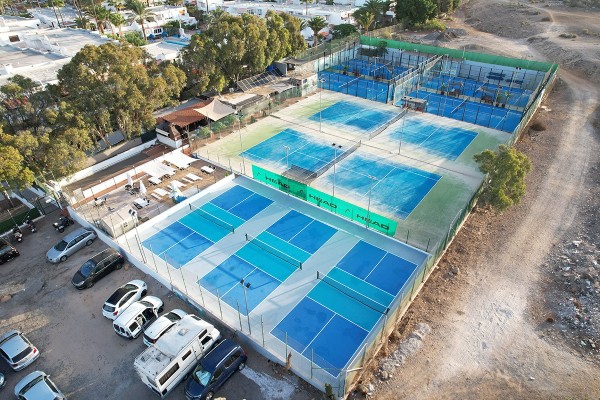
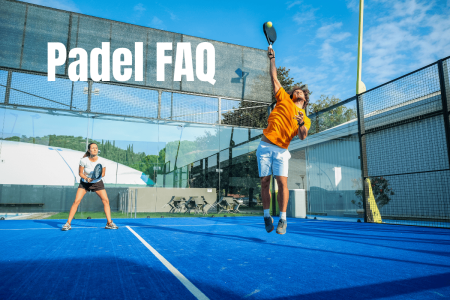
Padel is a mix of squash and tennis. It's played on a 10 x 20 m court surrounded by walls and a fence, with a net in the middle. The walls are used in the game, making it very dynamic. It's always played in doubles.
Don't be intimidated by what the pros do! Padel is a very beginner-friendly sport, suitable for all ages and fitness levels. Even with little experience in ball or racket sports, you can get into a game very quickly. The learning curve, especially for beginners, is very steep, and every player's success on the court is constantly celebrated. Padel is great for mixed doubles, and differences in skill level aren't as noticeable as in other sports. These and many other factors, such as the variety of shots and the camaraderie after the game, will make you want to play more. Padel is simply addictive!
The racket sport of padel originated in Mexico in the 1960s. Entrepreneur and sports enthusiast Enrique Corcuera built the first court with walls in his garden. The walls were originally intended to prevent vegetation from encroaching on the court. The game was played with padel-like wooden rackets, which is how the sport got its name.
Padel spread rapidly in South America. In the 1990s, it experienced a boom in Southern Europe, especially in Spain. Central and Northern Europe lagged somewhat behind, but since around 2010, padel has spread very quickly throughout the world. Today, padel is one of the most popular racket sports.
Padel is still relatively unknown in Germany, but the number of courts and players is steadily increasing. There are now approximately 250 padel courts in Germany, over 300 tournaments a year, and league play. Find out where you can currently play in Germany in the third part of our padel special.
To play padel, you need the following equipment: a padel court, padel rackets, padel balls, padel shoes, and padel clothing. Then you're ready to go!
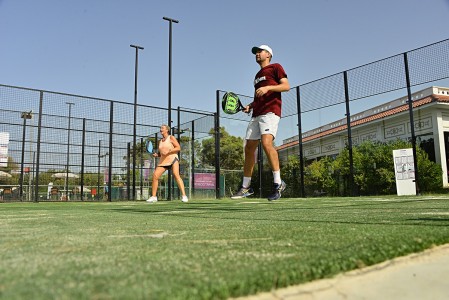
The padel court measures 10m x 20m and consists of artificial turf with quartz sand, glass, and netting. There are different types of surfaces. Some have straight synthetic fibers and are filled with three tons of sand. Other artificial turf fibers are corkscrew-shaped. This is also the artificial turf used by professionals. It looks as if there's no sand at all, but that's just an illusion.
The netting is 3-4 meters high on the sides and 4 meters high at the back of the court. Doors on both sides of the net allow the game to continue outside the enclosed area.
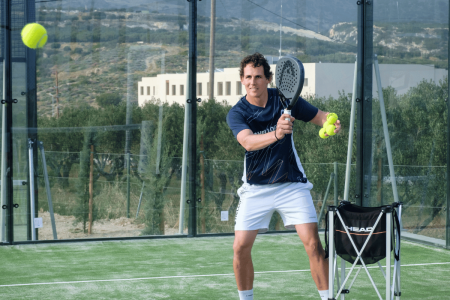
Padel rackets are smaller than tennis rackets. They consist of a foam core, a frame, and the hitting surface, which is often made of fiberglass, carbon, or graphene. Choosing the right padel racket depends on various factors, such as playing style, frequency of play, fitness level, budget, and, of course, design. The construction and manufacturing of padel rackets is much more complex than that of tennis rackets. The variety of materials, hole sizes/number, and surface finishes allows for several adjustments:
Almost all brands produce versions of their racket series for beginners, intermediate, and advanced players. Beginner rackets generally have a softer core, are round, balanced, and weigh around 360 grams. Intermediate players can choose a slightly heavier model with a harder head and a higher balance point.
For top playerswho have been playing for a long time and whose arms are well-adapted to the demands of the game, there are very stiff, heavy, and head-heavy rackets. Not all pros use heavy rackets!
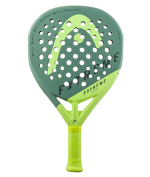
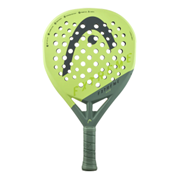
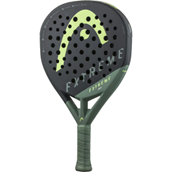
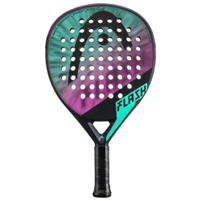
Here's an example from HEAD featuring the three different models in their EXTREME series. It's worth noting that this series is generally intended for advanced players. Therefore, for beginners, we recommend a racket from their Flash series.
Other HEAD racket series, such as Speed, Gravity, and Delta, also offer Motion, Elite, and Pro variants to suit different player levels and preferences.
Most other manufacturers follow the same principle. Some models are given specific names or designations, such as 8K, 12K, and 18K Carbon, for differentiation.
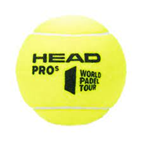
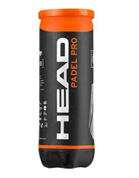
Padel balls have approximately 10% less pressure compared to tennis balls. This results in lower bounce and allows for more controlled play.
Important: Old tennis balls are not the same as padel balls!
The game is much more enjoyable when all the balls bounce the same on the court. Ideally, use new balls, even if you're only playing friendly matches. Players who always train with old balls are often surprised by the speed in tournaments. Besides, you develop different hitting techniques because you have to hit the ball harder with softer balls, which tends to result in a longer backswing.
Padel outfits are comfortable and form-fitting. They should be made of breathable materials to wick away moisture.
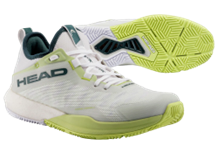
Padel shoes are specifically designed for the demands of padel. They offer good cushioning and provide grip and stability on various surfaces. Deep sand calls for deep treads, light sand calls for shallower treads. Tennis clay court shoes can also be used on a padel court (cleaned), but are better suited to courts with a lot of sand.
Most padel courts offer racket and ball rentals. It usually doesn't take long to become so passionate about padel that you want to buy your own equipment.
Padel is played in doubles. The game begins with an underhand serve. The ball must bounce once behind the service line and be struck below hip height. As in tennis, play starts from the deuce side, and the ball is played diagonally over the net into the opponent's service court. On the serve, the ball is out if it touches the net after bouncing in the correct court. After the serve, the ball must always bounce on the floor before touching the wall or net. Of course, the ball can also be volleyed.
You may hit your own discs to move the ball to the other side, but not the fence. A point is scored when the ball is played into the opponent's court and they cannot return it. The scoring system in padel is identical to that in tennis.
the complete FIP rulebook with all the details here.
Learn from the best players and coaches in the world with the Hello Padel Academy. Founded in 2013 by former professional padel player Mauri Andrini, the academy now operates academies in Belgium, Great Britain, Denmark, the Netherlands, Spain, and of course, Germany. Our padel expert Yannik is the head coach at one of the German academies. The academies offer coach training, player workshops, online courses, and padel camps.
Exclusively for you, we have two goodies at the Hello Padel Academy:
You shouldn't miss this!
In parts two and three of our padel special with Yannik Mann, you can expect:
Then feel free to send us your question using our form.
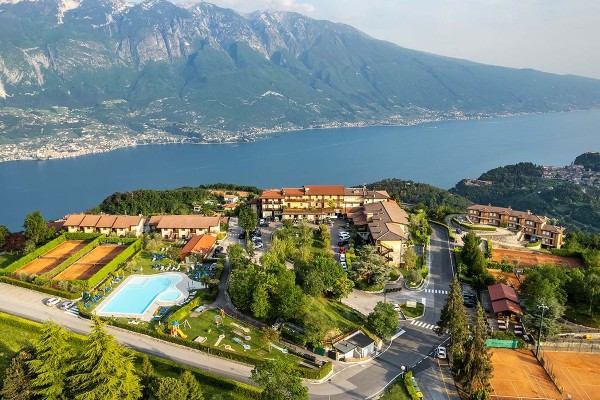
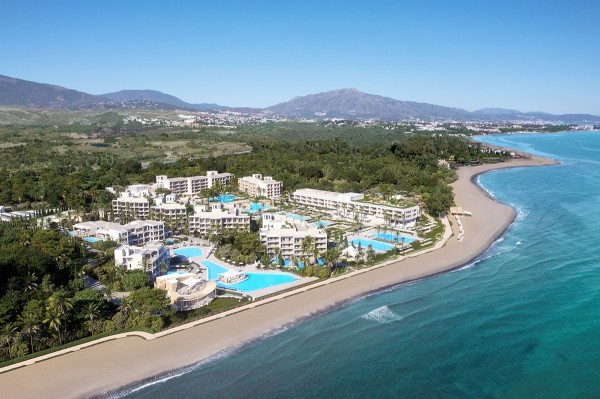
On our Padel Tennis Inspiration page you will find all blog posts on the topic of Padel as well as current Padel camps and TennisTravellerhotels where you can play Padel perfectly.




Sign up now and be the first to know about new tennis hotels and tennis camps, as well as great promotions. You
can unsubscribe at any time. Please see our privacy policy.