

We've all been there, heard it countless times after a match – from teammates, our own tennis kids, or experienced it ourselves. "I played so incredibly well in training, but in the match, absolutely nothing worked!!" Are you one of those training champions who just can't replicate their good performances in a match? Who end up completely frustrated and losing? Our coach and mental expert, Stephan Medem, explains why this happens and what you should consider in training to ultimately be successful in matches.
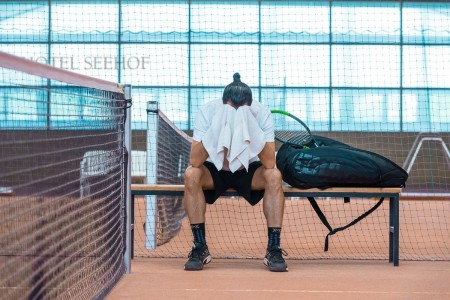
Sometimes it's enough to make you tear your hair out, run away, or cry. Yesterday in practice, every shot was perfect, the touch was there, everything was running like clockwork. Today in the match, you step onto the court full of motivation, warm up, feel great, and then... well, then the house of cards of the "practice champion," of "I played so brilliantly yesterday," collapses point by point, game by game. Confidence and self-belief plummet to nothing, the match is lost without ever having truly found your rhythm.
"The biggest difference between training and a match is the issue of consequence," says Steph. In training, there's never any consequence for a missed forehand, for a double fault. You just play the next ball without a second thought, and that's it. But in a match, every mistake has a consequence – point lost, game lost, you're behind, you lose.
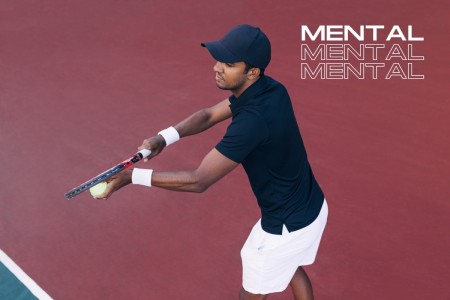
In a match, we can only implement what we've practiced in training. Therefore, we must constantly create match-like situations in training as well. Steph has the following tips and suggestions for this:
Try incorporating these three points into your training. In the next blog post, Steph will then address the question of what you can do in a match if things aren't going as planned.
Then simply use our form and receive a response from our expert.
[Form coachreq not found!]










Sign up now and be the first to know about new tennis hotels and tennis camps, as well as great promotions. You
can unsubscribe at any time. Please see our privacy policy.