
The clay court season has begun, and most of you have undoubtedly increased your training volume significantly. League matches and tournaments are just around the corner. Sounds great, right? Well, almost. Except for those various minor aches and pains that plague us after training, along with exhaustion and sore muscles. But it doesn't have to be that way: today we have the ultimate recovery guide for tennis players. With tips from Australian tennis fitness gurus Nathan and Giselle Martin, you'll recover faster after training and matches. While many are familiar with recovery, it's often practiced outside the clubhouse rather than on the court. Don't worry: a proper and effective recovery program isn't as complicated as you might think and is incredibly beneficial for everyone. Get back to your daily routine or your next training session faster and be less prone to injury. Sounds like the perfect start to your clay court season!
We've been huge fans of Nathan Martin's fitness programsnow, which he and his wife Giselle developed specifically for us tennis players. They've been working with tennis players like Lleyton Hewitt and Martina Navratilova for decades, so they know exactly what we tennis players need, whether we're competitive or recreational.
These brilliant online training programs are available for various target groups (from juniors to seniors) and for a wide range of areas. Today, we're focusing on tennis and presenting the ultimate recovery guide for tennis players, recommended by Nathan and Giselle:

(Source: Martin Method Tennis Fitness, www.tennisfitness.com )
Novak Djokovic's years-long dominance in the tennis world is a testament to his meticulous approach to recovery. When world-renowned Australian tennis fitness coaches Nathan and Giselle Martin worked with Martina Navratilova, she always emphasized: "I've already done everything before a tournament; I just need to take care of my body and plan my recovery wisely." This underscores how crucial recovery is for players who want to perform at their peak in seven grueling matches over two weeks.
In tennis, recovery is just as important as skill and stamina. Even the best players risk injury, fatigue, and decreased performance if they don't recover properly. This recovery guide for tennis players provides you with essential strategies to help you come back stronger, prevent injuries, and stay ahead on the court. A good and effective recovery program is just as important for recreational players, as it ultimately depends on your fitness and health.
Tennis is a physically demanding sport that requires quick sprints, dynamic movements, and sustained endurance. After matches or intense training sessions, your body is under stress that needs to be mitigated to avoid long-term problems. Recovery helps repair muscle damage, replenish energy stores, and reduce the risk of injury so you can get back to competition.
An Epsom salt bath is one of the most effective methods to reduce muscle soreness and promote regeneration.
Proper hydration and nutrition are key to muscle recovery and energy restoration.
Low-intensity activities improve blood circulation, reduce stiffness, and help flush out lactic acid.
Foam rollers and stretching exercises help to relieve muscle tension and improve flexibility.
Compression tights offer several key benefits for an athlete's recovery. They improve blood circulation, which enhances oxygen delivery to the muscles and reduces lactic acid buildup, thus alleviating muscle soreness and fatigue. The gentle pressure supports muscles and joints, reducing inflammation and the risk of injury. Furthermore, compression garments can contribute to faster recovery by promoting efficient lymphatic drainage, helping to remove metabolic waste products more effectively.
Compression tights:
Sleep is the ultimate means of recovery. During sleep, the body repairs muscles, restores energy, and promotes overall recovery.
Tips for a good night's sleep:
At the 2025 Australian Open, Janik Sinner repeatedly emphasized that sleep is his top priority for recovery. He clarified that regardless of when he finishes a match, he gets at least 10 hours of sleep every night. This underscores the crucial role sleep plays in muscle repair, hormone regulation, and overall recovery, enabling players to perform at their peak match after match.
Reduces inflammation and muscle soreness.
Here is an example of a recovery plan we use with our professional players during a tennis tournament:
Recovery routine after the game:
Rest day - no competitions:
Q: How long does it take to recover after a tennis match?
A: Recovery can take 24 to 48 hours, depending on the intensity of the match. Proper hydration, nutrition, and rest can speed up this process.
Q: Can beginners also use these recovery techniques?
A: Absolutely! Recovery techniques such as Epsom salt baths, hydration, and stretching benefit players of all skill levels.
Q: Should I use recovery supplements?
A: Supplements such as magnesium or electrolyte tablets can support recovery, but should complement a balanced diet and not replace it.
Recovery isn't just about resting—it's about preparing your body for peak performance. That's why Nathan and Giselle Martin of Martin Method developed the Tennis Yoga, Mobility, and Injury Prevention program specifically tailored for tennis players who want to achieve the following:
With targeted exercises and expert guidance, this program is perfect for players of all skill levels. So don't wait until muscle soreness or stiffness slows you down – invest in your recovery today!
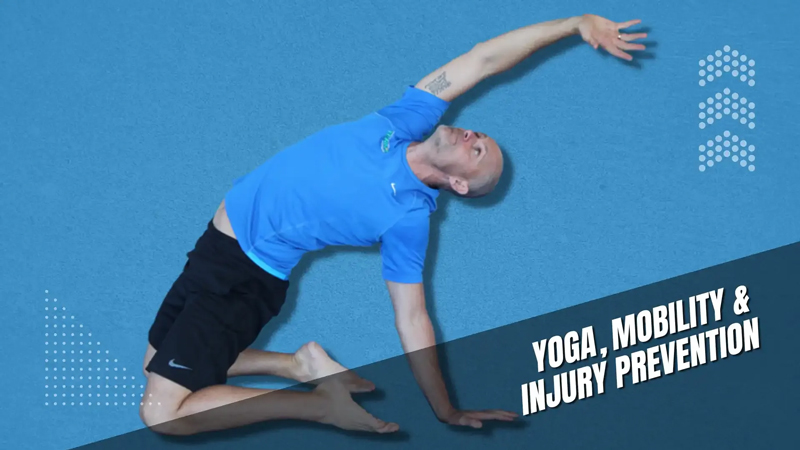
The Yoga, Mobility & Injury Prevention program is suitable for all tennis players aged 10 and up and consists of 11 different programs covering warm-up, yoga, mobility & flexibility, breathing, recovery & cool-down, and meditation. The program costs $49.99 and the videos are in English.










Sign up now and be the first to know about new tennis hotels and tennis camps, as well as great promotions. You
can unsubscribe at any time. Please see our privacy policy.